

The insurance sector continues to attract significant deal activity, including from private equity sponsors. Insurance M&A deal value reached approximately $104 billion in 2025, up from $88 billion in 2024, according to McKinsey. For sponsors pursuing platform growth, the deal is only the beginning. The real challenge starts after it closes.
Scaling depends on having the finance and operations leadership to support institutional growth. Without stronger visibility, cleaner integration, and more disciplined execution, consolidation can remain a collection of acquired assets rather than a true platform strategy.
The Challenge After Acquisition
Many small insurance companies were built by entrepreneurs with deep client relationships, local market knowledge, and specialized expertise. But what supports a strong independent business is rarely what is required to operate inside a larger platform.
After acquisition, businesses that performed well independently may rely on their own systems, reporting processes, workflows, and cultures, making integration, visibility, and performance management more difficult.
Creating value in this environment requires leaders who can move the business from shared ownership to shared execution. They need to identify where greater consistency is required, where local strengths should be preserved, and how to create the structure needed for institutional growth.
The Visibility Problem in PE-Backed Insurance
That pressure often shows up first in finance. As insurance platforms grow, sponsors need a clearer view of cash flow, margins, acquisition performance, and client retention. Retention carries extra weight in this context. Many smaller insurance businesses were built on strong personal client relationships, and that trust does not automatically carry forward under new ownership.
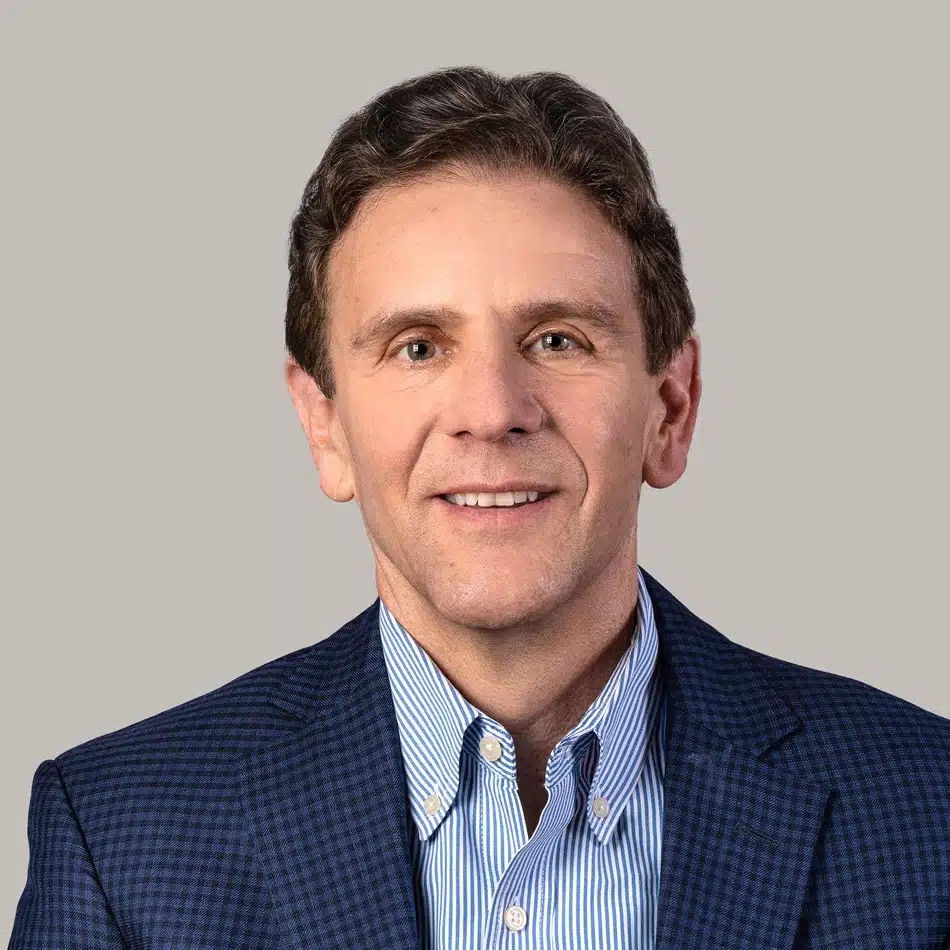
“Investors who focus on retention as a key success metric, along with growth and efficiency, will win in the marketplace,” says Bill Borkovitz, Partner & Practice Leader in JM Search’s Financial Services and Fintech Practice.
CFOs, CAOs, and senior finance executives must be able to modernize systems, improve reporting, and give the CEO and sponsor a more accurate view of the business. As JM Search has noted in its work on PE CFO leadership, the right profile depends on the business’s state of maturity, as well as its growth ambitions.
A strong number two may be the right hire when the company has a capable finance leader in place but needs more depth, reporting discipline, forecasting rigor, or scalable processes. A playbook-ready CFO may be needed when the platform is moving quickly through acquisitions, facing more sophisticated board expectations, or lacking a strategic finance voice.
Drawing on his finance executive search work with private equity-backed portfolio companies, Kevin Parker, Partner in JM Search’s Financial Officers Practice, sees the insurance market at an inflection point. “The question is no longer who can buy assets, but who can build an integrated platform that commands a premium multiple. Sponsors do not create value simply by consolidating businesses; they create value by building an operating platform that can scale. Institutional finance leadership enables that transformation by providing the visibility to capture synergies, improve capital allocation, and turn consolidation into lasting enterprise value.”
The wrong sequencing can slow the platform’s progress. Hiring an executive who is too senior too early can create friction or unnecessary cost, while delaying the hire can leave the CEO and sponsor without the visibility and decision support needed to manage a more complex business.
Operations Is Where Strategy Meets Reality
If finance helps sponsors understand performance, operations determines whether the platform can execute. As the business expands across claims, employee benefits, specialty risk, third-party administration, and other insurance-adjacent services, operational complexity multiplies fast.
“Operations leadership is what turns a PE-backed insurance strategy from a collection of acquired companies into a scalable platform,” says Cable Neidhart, Vice President in JM Search’s Financial Services and Technology Practice. “The right COO brings the discipline, systems, and execution muscle needed to make growth sustainable.”
The COO and broader operations team are responsible for turning the platform strategy into day-to-day execution. That includes improving efficiency, implementing systems, aligning processes, supporting integration, and preserving the specialized capabilities that made the acquired companies successful. Without strong operational leadership, acquired businesses may remain disconnected, creating friction across service delivery, customer experience, and future growth.
The right operations leader also plays an important role in diligence and integration for future acquisitions. In some cases, a strong COO can be the natural CEO successor, particularly when the business needs a leader who understands both execution and the broader growth strategy.
Scale Is Built, Not Acquired
Leadership gaps that were manageable in a founder-led business become more disruptive over time. Sponsors need teams that can manage today’s business while building the structure, visibility, and execution discipline required for the next phase.
Finance leaders give sponsors the visibility to understand performance. Operations leaders turn strategy into execution across the platform. Together, they help move the business from shared ownership to shared operating discipline.
In insurance, scale is built by leaders who know how to turn consolidation into a platform that can perform.
Insights in your inbox
Stay up to date on the latest trends and insights shaping the executive search landscape from JM Search’s Blog.